Cupping Therapy
What is cupping therapy?
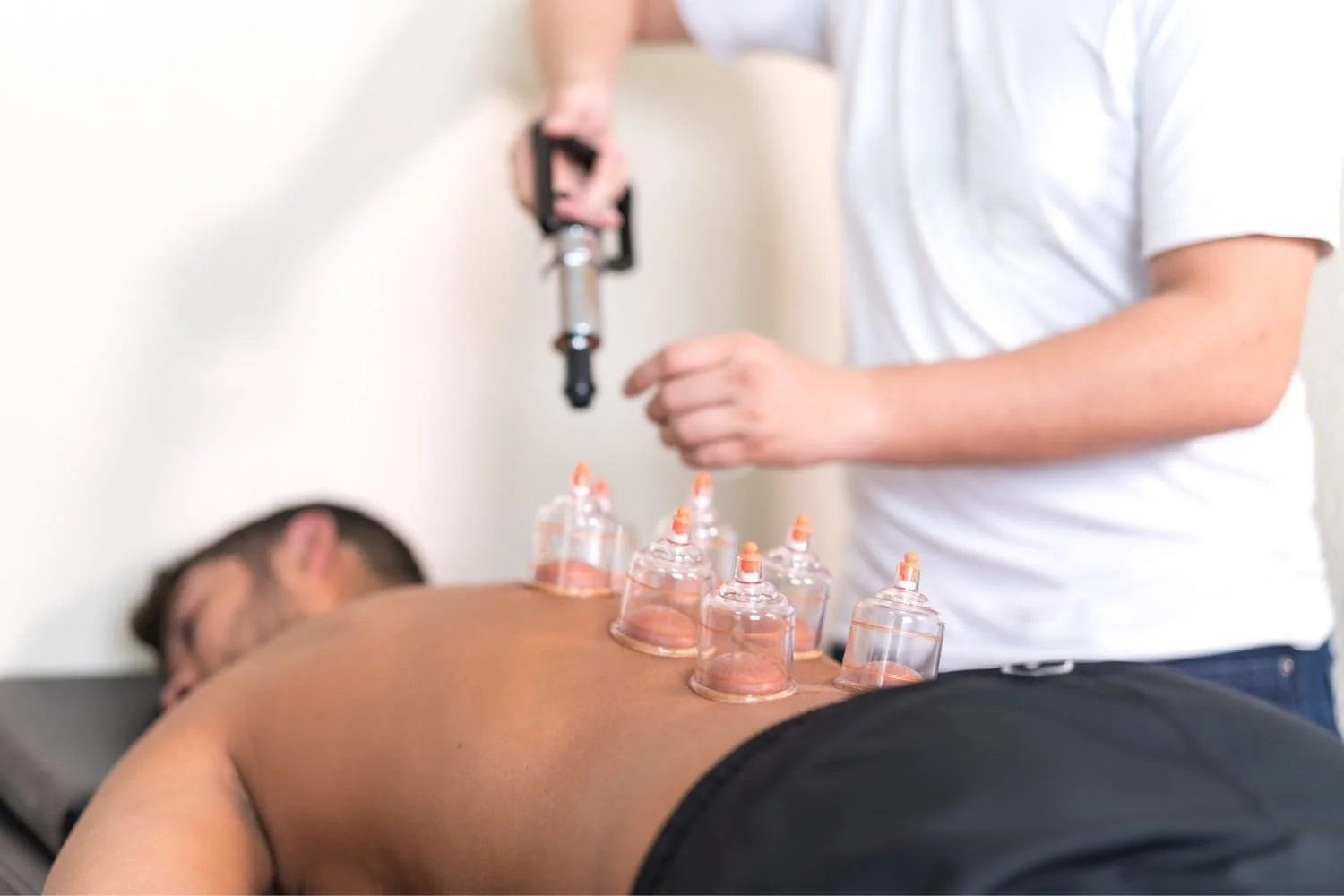
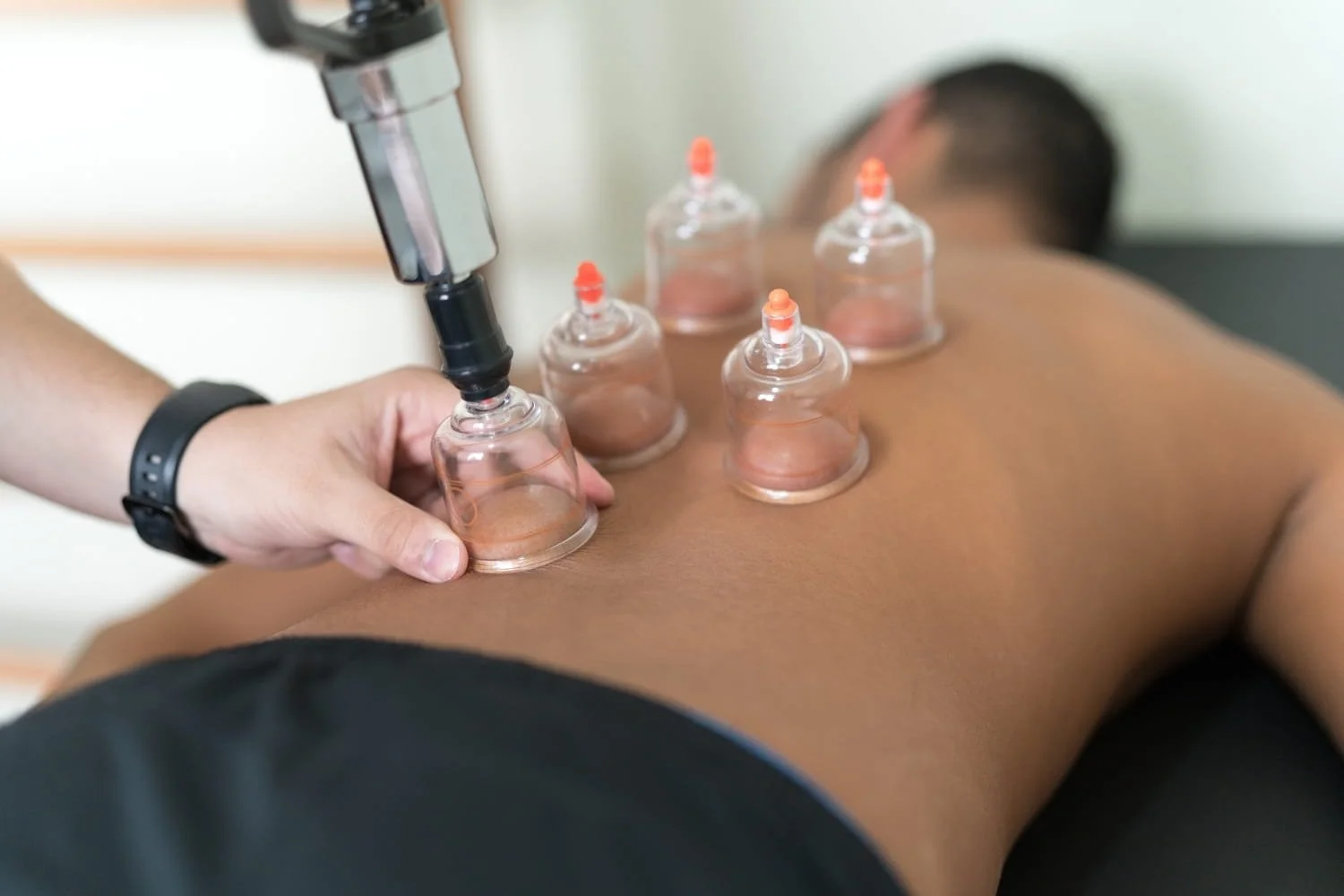
Cupping therapy involves placing specialised cups on the skin to create gentle suction over targeted muscles and soft tissue areas. This suction helps lift and separate the underlying tissue, addressing areas of tightness, restriction, and discomfort that may be contributing to pain or reduced movement.
By improving local blood flow and encouraging tissue mobility, cupping therapy helps muscles relax and supports the body’s natural healing processes. Many people experience reduced stiffness and improved movement following treatment.
We often use this technique as part of a broader treatment plan and may combine it with hands-on therapy, joint mobilisation, dry needling, or exercise rehabilitation, depending on your condition and goals.
What are the benefits?
Reduces muscle tension: Helps release tight and restricted muscles.
Improves circulation: Encourages blood flow to support tissue health and recovery.
Enhances mobility: Improves flexibility and range of motion.
Supports injury recovery: Useful for sports injuries and overuse conditions.
Relieves pain: Can help reduce muscle-related aches and discomfort.
Targeted treatment: Focuses on specific problem areas for effective results.
Cupping Therapy FAQ
-
Cupping therapy is well-suited for people experiencing muscle tightness, restricted movement, or ongoing discomfort.
It is commonly used to relieve muscle tension, support pain relief, and help people manage chronic pain or a range of health conditions related to soft tissue restriction.
-
Cupping therapy can be applied to many areas of the body using a targeted cupping technique, depending on your symptoms and goals, including:
Upper and lower back
Neck and upper shoulders
Hips and gluteal muscles
Thighs, hamstrings, and calves
Chest and rib areas
Arms and forearms
Treatment focuses on muscles and connective tissue, with cup placement adjusted during each cupping session to suit your condition.
-
Cupping therapy is sometimes referred to as suction cup therapy. Most people feel a firm pulling or lifting sensation as the cups create suction.
It should not feel painful, and pressure is always adjusted to ensure comfort during the cupping treatment.
-
No. Cupping marks are temporary and usually fade within a few days. They occur due to increased blood flow to the area and are a normal response to the cupping work, not bruising or tissue damage.
-
Yes. When performed correctly, cupping therapy safe practices are followed at all times. We use controlled pressure and appropriate techniques, focusing on dry cupping only, which is considered safe and effective when applied by trained practitioners.
-
There are different forms of cupping, including dry cupping and wet cupping. Our clinic uses dry cupping techniques only.
Variations such as myofascial cupping focus on improving tissue movement and reducing muscle restriction without breaking the skin.
-
Cupping therapy works differently from hands-on treatments like remedial massage or myotherapy.
Instead of applying downward pressure, cups gently lift the tissue, which can help improve circulation and mobility in a different way. It is often used alongside myotherapy for well-rounded care.
-
Cupping therapy is sometimes described as an alternative therapy, but it is commonly integrated into modern care plans.
When used appropriately, cupping treatment can complement other manual approaches to support recovery, movement, and pain management.